How to Praise Kids Effectively: What to Say Instead of “Good Job”
Effective praise names your child's actions and effort specifically rather than the result. The US Centers for Disease Control and Prevention (CDC) recommends praising right after the behavior and pointing out what was good, like “You put your toys away!” The American Academy of Pediatrics (AAP) advises praising effort, not results.
Why isn't “Good job” enough?
The US Centers for Disease Control and Prevention (CDC) says specific praise is better than vague praise. With “Good job,” it's hard for a child to know what they did well, but “You put your toys back where they belong!” tells them exactly which behavior you value.
The American Academy of Pediatrics (AAP) also advises praising effort rather than results when kids do chores, and says that praising honestly may be the most effective way to motivate children.
Try saying it this way (examples)
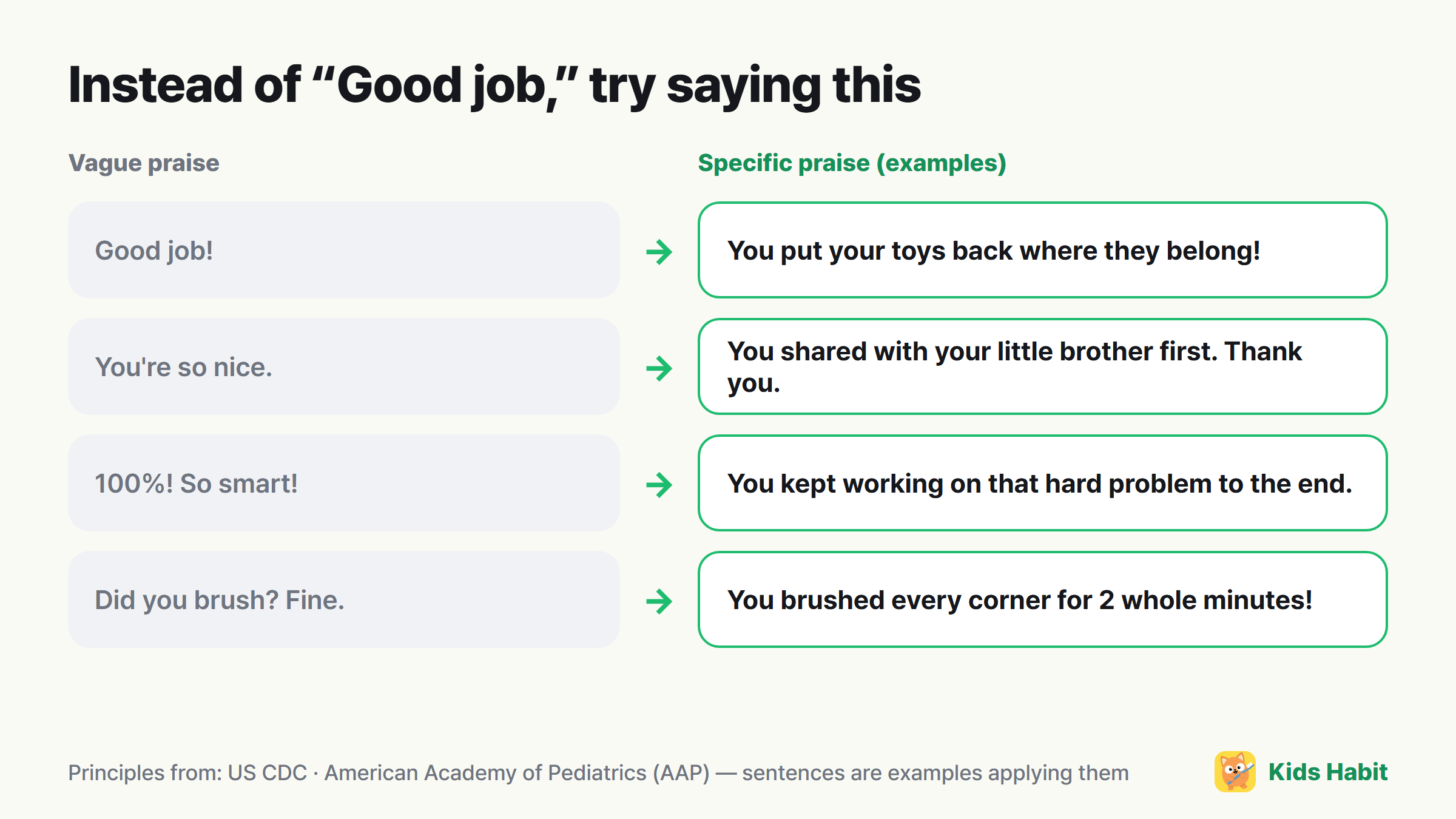
- Name the action: “Good job” → “You lined up your shoes neatly!”
- Notice the effort: “You're so smart” → “You kept working on that hard problem until the end.”
- Describe the process: “Did you brush? Okay” → “You brushed all the way to your back teeth for two minutes!”
- Say thank you: “You're so nice” → “You shared with your little brother first. Thank you.”
When and how should you praise?
- Right away: The CDC says that, especially for young children, responding right after the behavior is most effective.
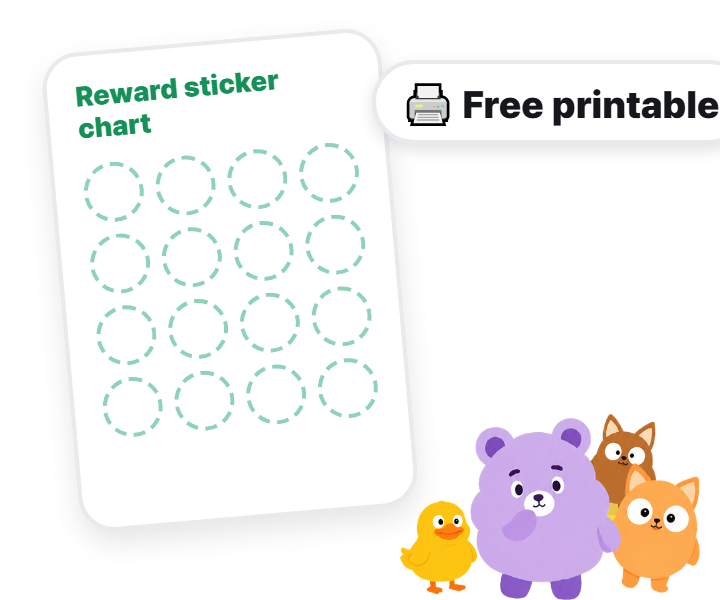
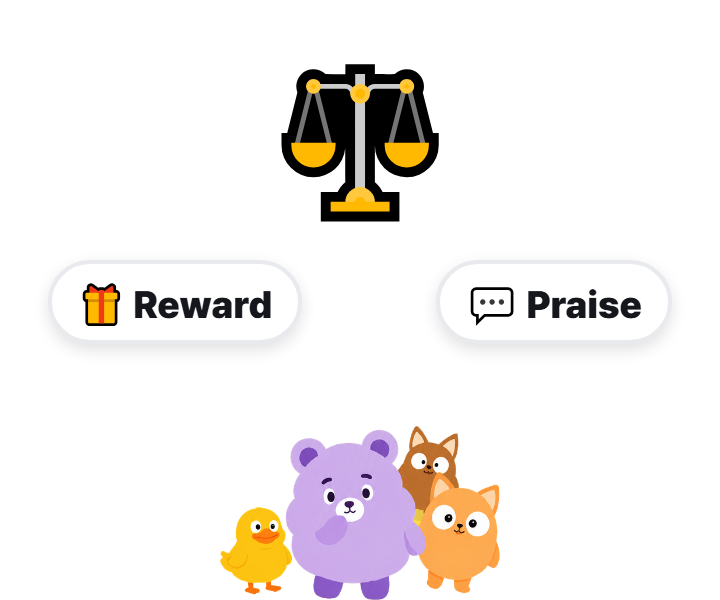
- With words and with your body: The CDC says social rewards such as praise, hugs and high fives, and time together are often more powerful than things and easier to give.
- Honestly: The AAP recommends honest praise. Rather than exaggerating, simply describe what your child actually did.
- Effort over results: The AAP advises praising effort, not results. Notice first that they kept going to the end or started on their own.
How do you make praise a habit?
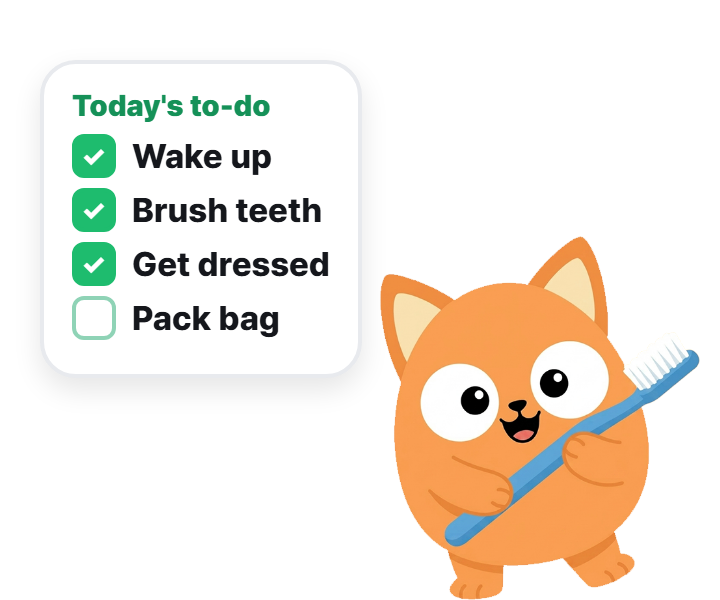
In a busy day, it isn't easy to think of specific praise every time. It helps to set up the day so that a “moment” for praise comes up whenever your child finishes a mission.
Frequently asked questions
Won't lots of praise spoil my child?
The US Centers for Disease Control and Prevention (CDC) says specific praise helps increase desirable behavior. What matters is the way you praise, not the amount. Point out real actions and effort instead of giving vague praise.
Should I praise even when the result isn't good?
The American Academy of Pediatrics (AAP) advises praising effort, not results. Recognize the attempt, as in “You stuck with it until the end.”
Which is better — material rewards or praise?
The CDC says social rewards such as praise, hugs and time together are often more powerful than things and easier to give.
References
This article provides general parenting information based on materials from official organizations and does not replace diagnosis or treatment. If you're concerned about your child's health or development, consult a specialist such as a pediatrician or pediatric dentist.