Child Refuses to Brush Teeth? 5 Ways to Get Through Two Minutes Without a Fight
For a child who hates brushing, it helps more to fix a routine at “the same time, in the same order,” make the two minutes visible, and praise specifically right after they finish than to force it. These are the principles the American Academy of Pediatrics (AAP) and the US Centers for Disease Control and Prevention (CDC) give on routines, visual reminders and praise.
Why does two-minute brushing turn into a daily battle?
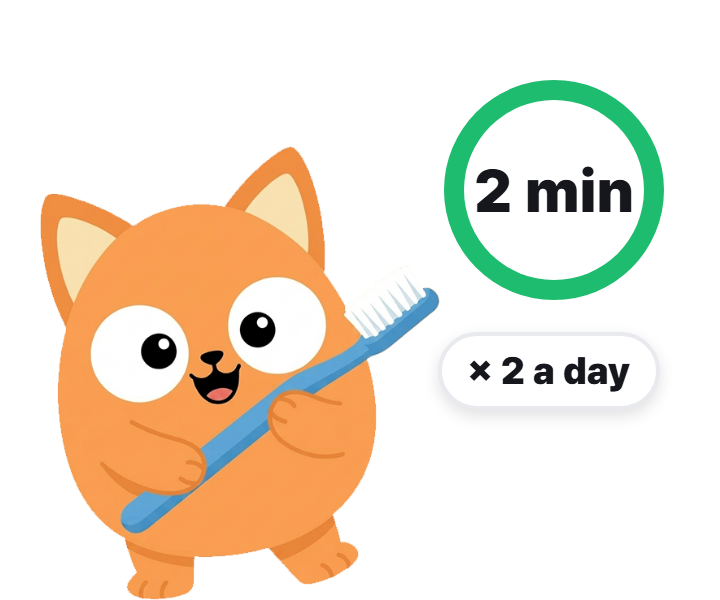
The standard for kids is twice a day, two minutes each time (American Academy of Pediatrics · Partnership for Healthy Mouths, Healthy Lives). But to a child, two minutes feels endless, and when “When is it over?” and “Just a little more!” repeat every night, brushing time becomes fighting time.
Harvard University's Center on the Developing Child explains that the ability to plan, remember and regulate yourself (executive function) is not something children are born with — they are born with the potential, which grows through experience and practice. That's why making the order and the time visible is easier for kids than “just do it yourself.”
What are five ways to reduce the struggle?
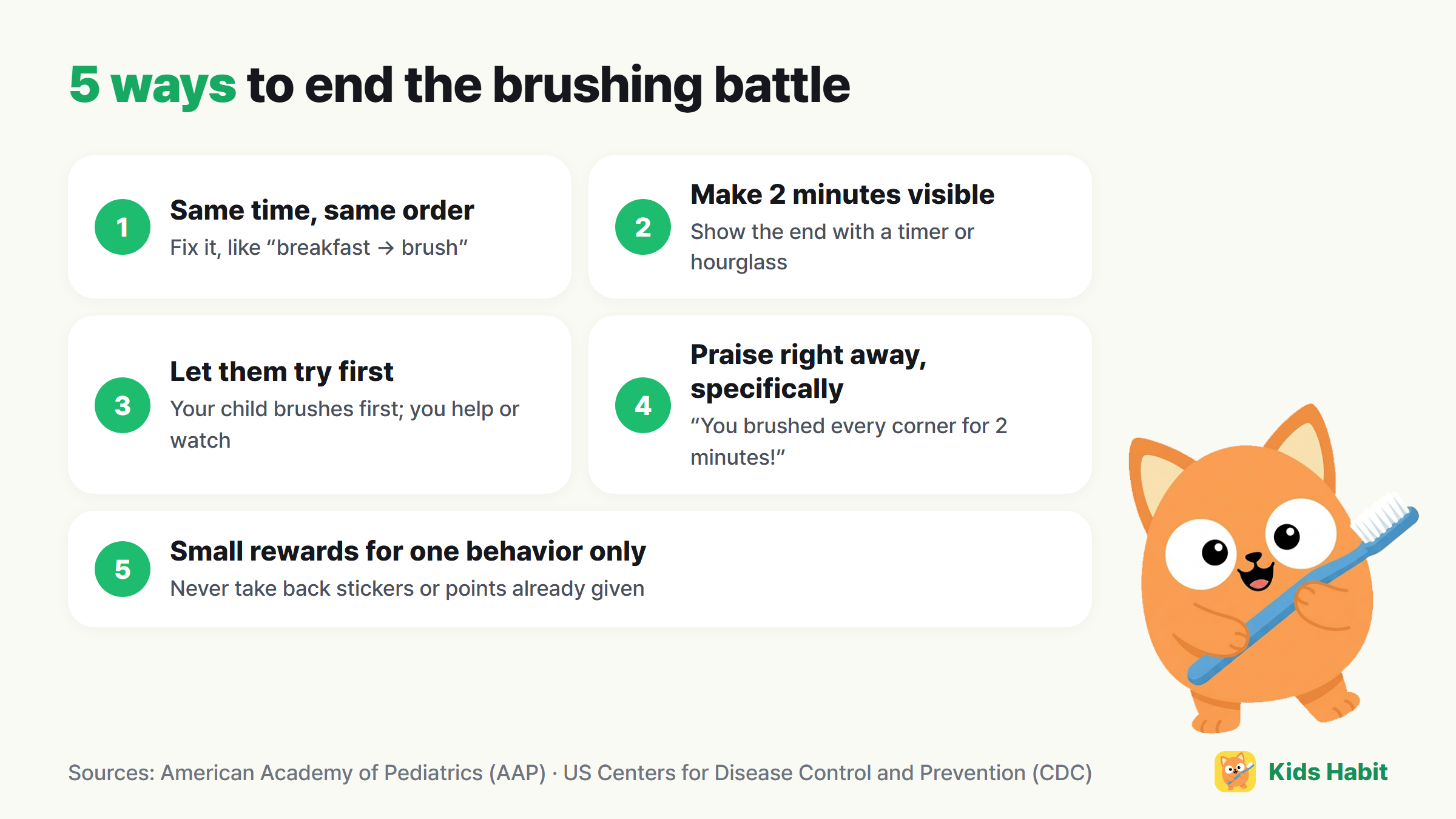
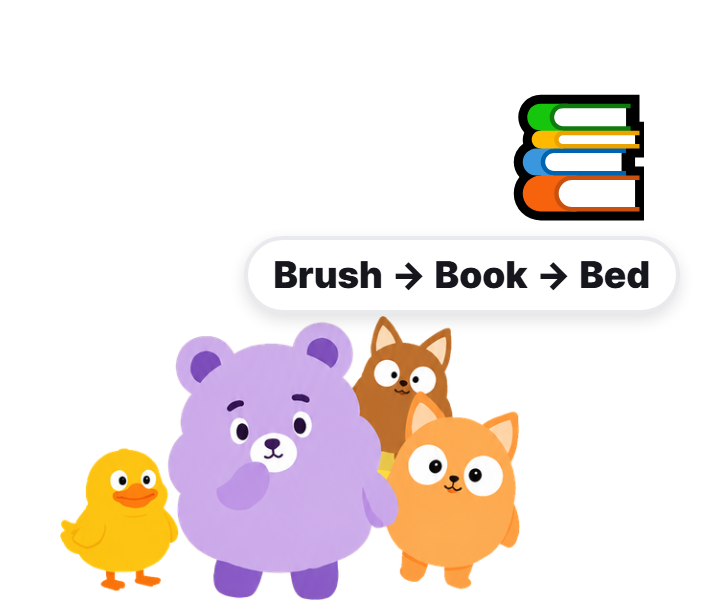
- Fix the same time and the same order: The American Academy of Pediatrics (AAP) recommends building structure and routines into family life and gives “brush → book → bed” as an example bedtime routine. Attaching brushing to what comes before and after, like “breakfast → brush,” creates a signal that says “it's time to brush now.”
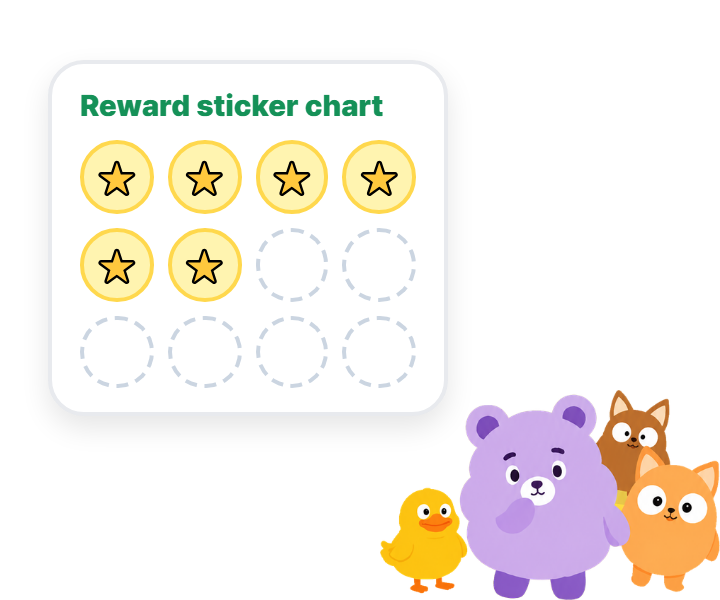
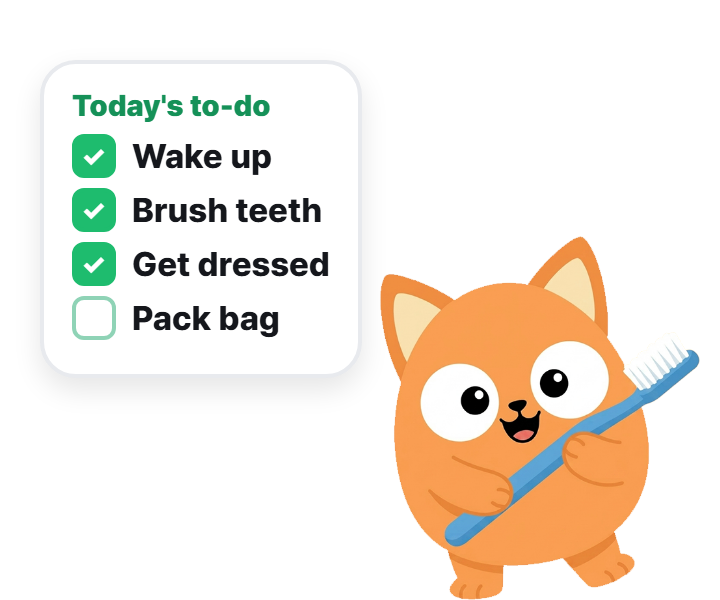
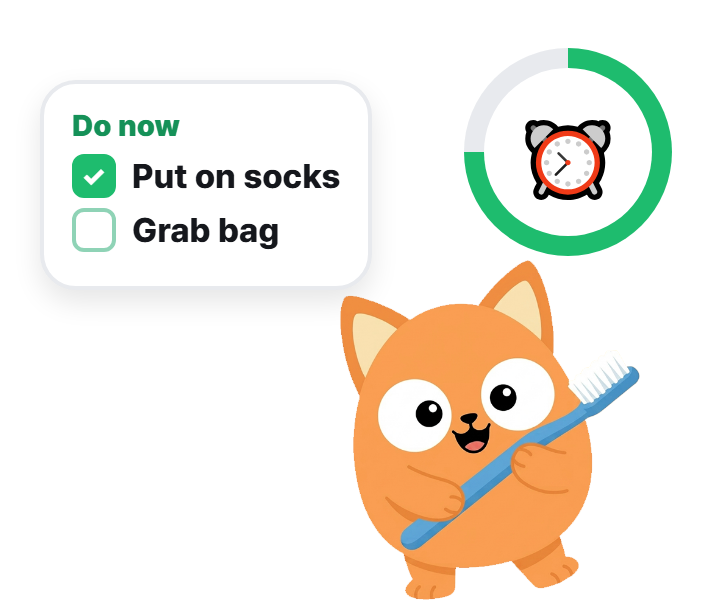
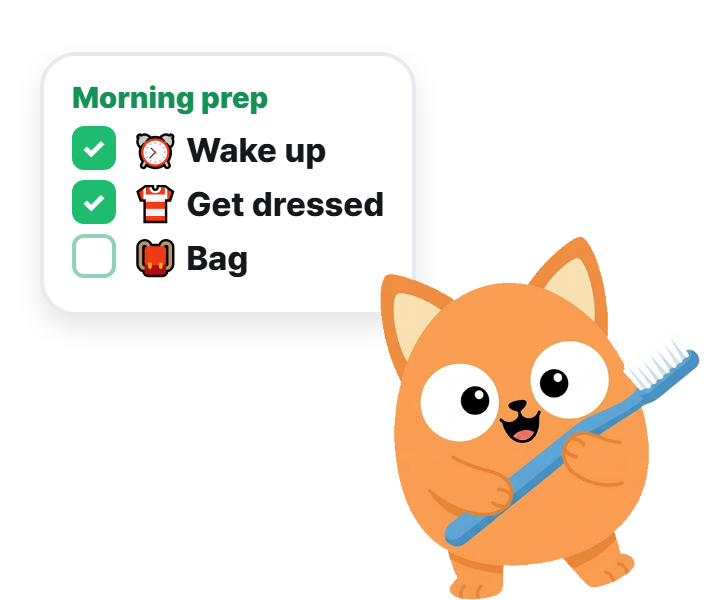
- Make the two minutes visible: The AAP says visual reminders such as charts and checklists help kids remember tasks. On the same principle, when the end is visible — with an hourglass or kitchen timer — there are fewer “When is it over?” questions.
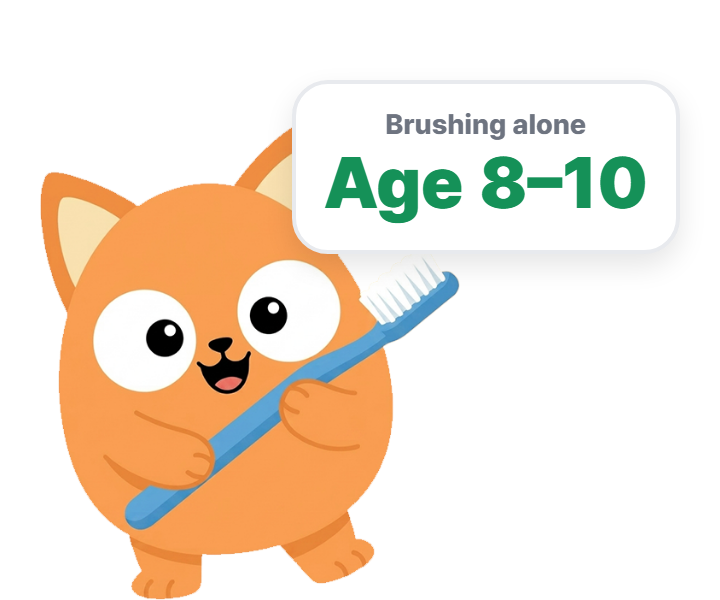
- Let your child go first: The AAP advises parents to help or supervise until children can brush well on their own (usually around age 10). If your child brushes first and you help afterward, it feels less like something being done to them.
- Praise right away, and be specific: The US Centers for Disease Control and Prevention (CDC) recommends praising right after the behavior and naming exactly what was good, rather than just “Good job.” For example: “You brushed all the way to your back teeth for two minutes today!”
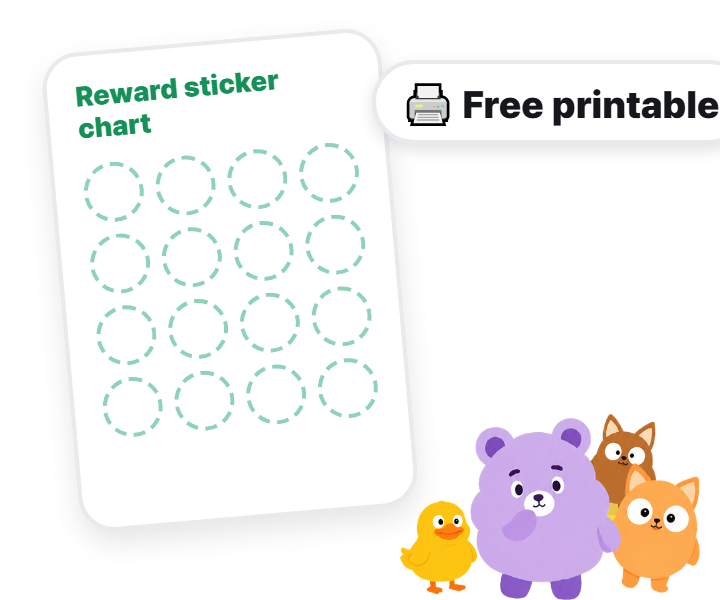
- Small rewards for brushing only: The CDC and the AAP advise narrowing target behaviors to one or two when using rewards like stickers or points, and never taking away rewards already earned.
Words and actions to avoid
- Punishment that takes rewards away: The CDC says not to take away rewards a child has already earned, even for other misbehavior. If you peel off yesterday's sticker because they didn't brush, they may stop trusting the reward chart altogether.
- Penalty marks on the chart: The AAP notes that adding penalties to a reward chart can make children feel ashamed or stop trying at all.
- Judging only the result: The AAP recommends praising effort over results when kids do chores. With brushing too, notice that they “finished it” before you comment on “how clean.”
Can an app handle the timer and the praise at once?
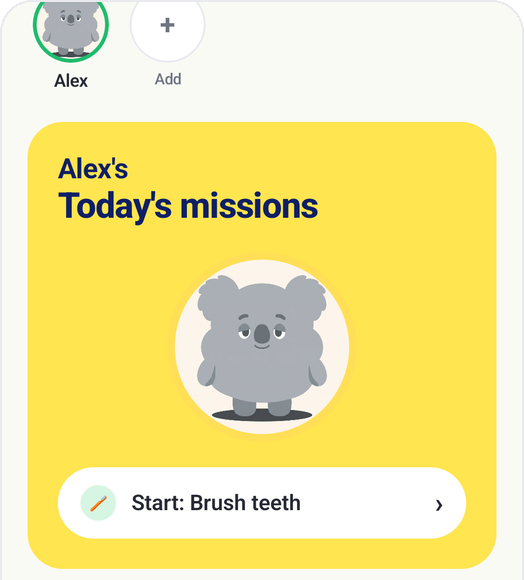
If setting a timer and keeping track of stickers every time feels like a hassle, you can manage a mission timer and praise points in one place.
Frequently asked questions
If my child really hates brushing, can we skip a day?
The American Academy of Pediatrics (AAP) recommends brushing at least twice a day, after breakfast and before bed. If the struggle drags on, try fixing the order and showing the end with a timer before cutting the time.
Is it okay to give a sticker for brushing?
The US Centers for Disease Control and Prevention (CDC) and the American Academy of Pediatrics (AAP) advise choosing one or two target behaviors, rewarding right after the behavior, and never taking back rewards already given. Once the habit is established, it's best to phase rewards out gradually.
At what age can kids brush on their own?
The AAP says to help or supervise until your child can brush well alone, usually around age 10, and the Partnership for Healthy Mouths, Healthy Lives points to age 8.
References
- American Academy of Pediatrics (AAP) HealthyChildren — Good Oral Health Starts Early
- Partnership for Healthy Mouths, Healthy Lives — 2min2x
- US Centers for Disease Control and Prevention (CDC) — Using Rewards
- American Academy of Pediatrics (AAP) HealthyChildren — Positive Reinforcement Through Rewards
- American Academy of Pediatrics (AAP) HealthyChildren — Age-Appropriate Chores
- American Academy of Pediatrics (AAP) HealthyChildren — Healthy Sleep Habits
- Harvard University Center on the Developing Child — Executive Function Activities Guide
This article provides general parenting information based on materials from official organizations and does not replace diagnosis or treatment. If you're concerned about your child's health or development, consult a specialist such as a pediatrician or pediatric dentist.