Do Reward Sticker Charts Work? 5 Rules for Using a Sticker Chart the Right Way
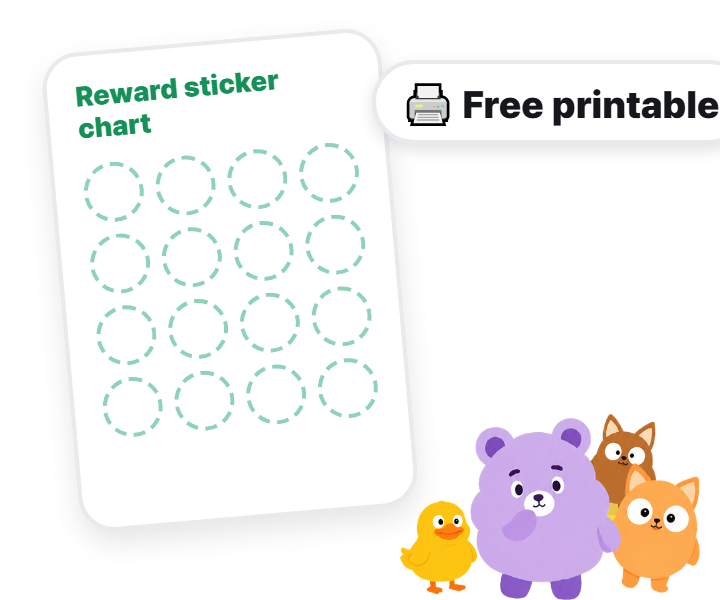
A reward sticker chart can help increase desirable behavior. The US Centers for Disease Control and Prevention (CDC) and the American Academy of Pediatrics (AAP) advise choosing one or two specific target behaviors, adding the sticker right after the behavior, never taking stickers away, and phasing the chart out gradually once the habit forms.
Do reward sticker charts really work?
The US Centers for Disease Control and Prevention (CDC) says rewards such as sticker charts can help increase young children's desirable behavior. How you respond right after a behavior influences whether it happens again.
But the effect depends on how you use it. If the goal is vague, the reward comes late, or penalties get mixed in, children can actually lose interest.
5 rules for using a reward sticker chart the right way
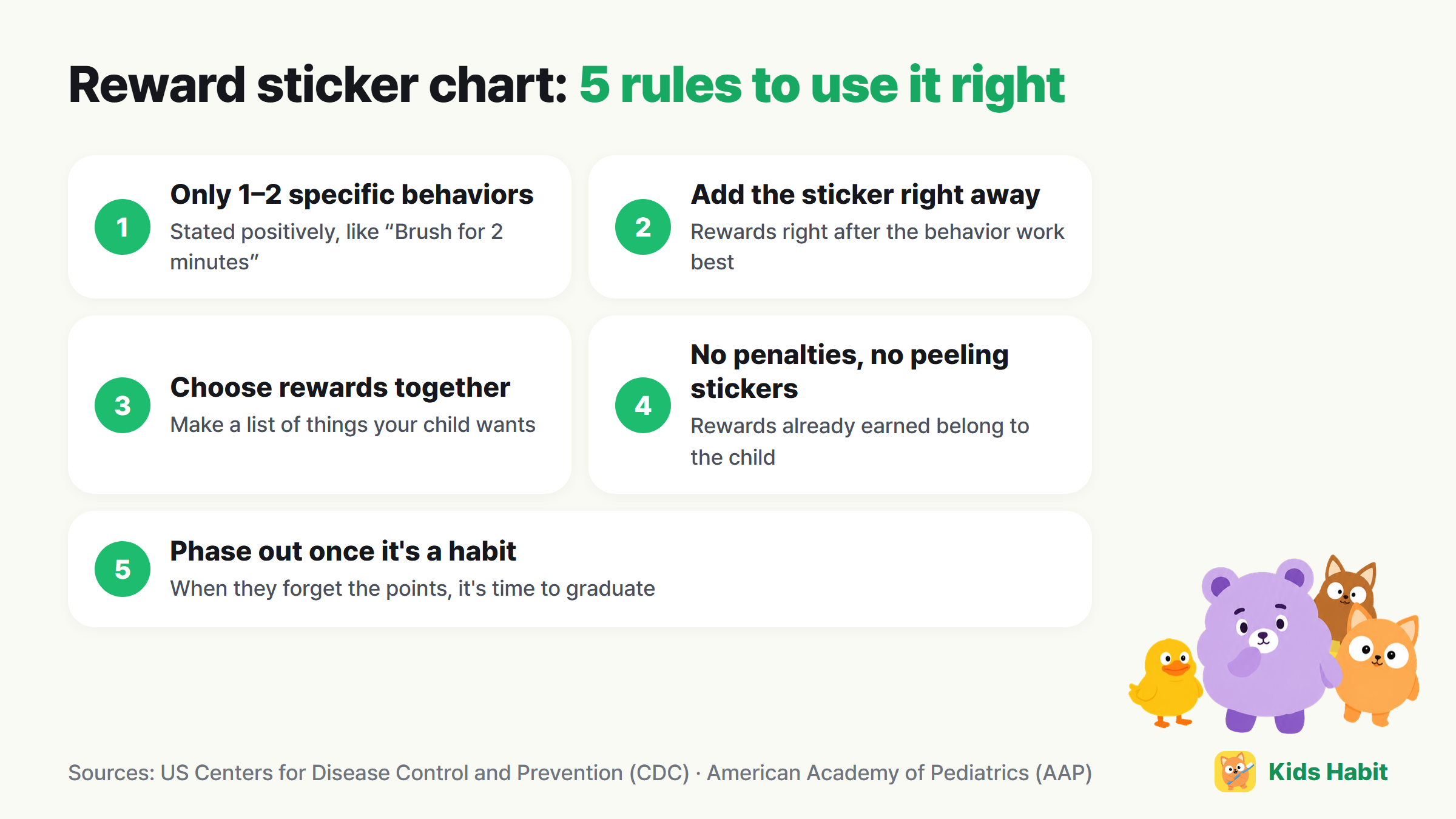
- Only one or two behaviors, and make them specific: The CDC recommends one or two realistic, age-appropriate goals stated positively, not as “don't.” “Brush for two minutes” works better than “no tantrums.”
- Add the sticker right away: The CDC says that, especially for toddlers and preschoolers, a reward right after the behavior is most effective.
- Choose rewards together with your child: The AAP recommends making a reward list based on your child's interests and letting your child help pick the rewards.
- No penalty marks, no peeling stickers off: The CDC says rewards your child has earned belong to them, so don't take them away even after misbehavior, and the AAP notes that penalty marks on a chart can make children feel ashamed or give up trying.
- Phase it out gradually once it's a habit: The AAP advises ending the reward chart gradually once your child has learned the behavior and forgets about the points or loses interest.
Stickers or points — which works better at each age?
| Age | Best-fitting method | Basis |
|---|---|---|
| Toddlers & preschoolers | Stickers + immediate rewards | CDC: for young children, rewards right after the behavior work best |
| Early elementary | Tokens (paper stars, stickers) | AAP: tokens suit younger school-age children |
| Upper elementary and older | Points & agreements (contracts) | AAP: points and contracts suit older children |
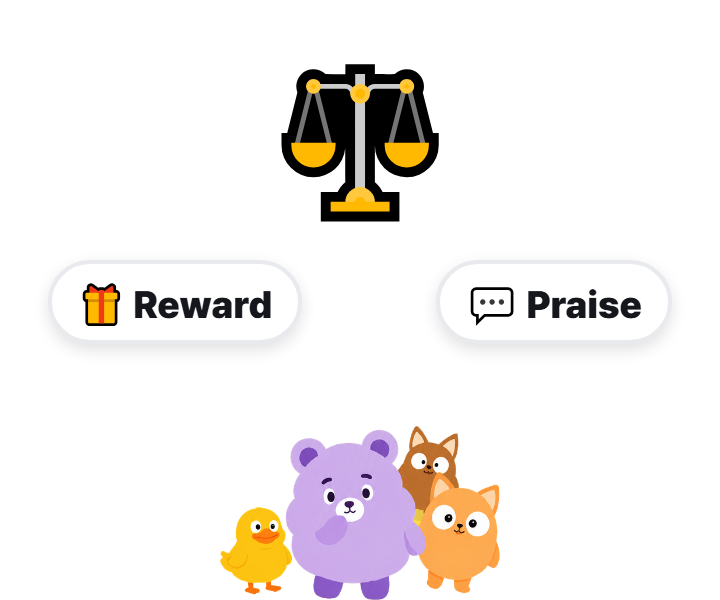
Rewards don't have to be things. The CDC says social rewards like praise, hugs and high fives, and time spent together are often more powerful than material rewards and easier to give.
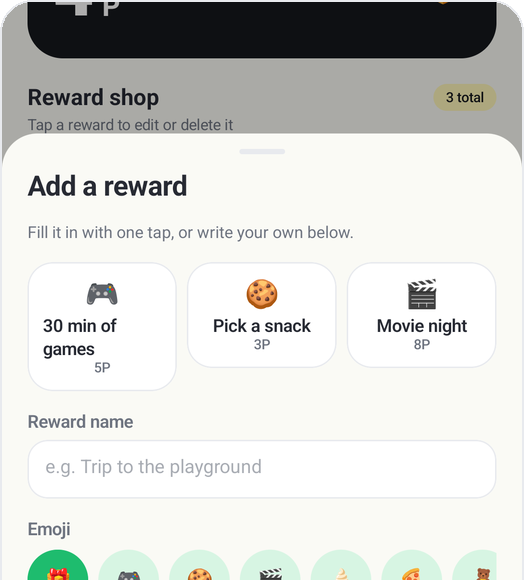
What about a digital reward chart instead of a paper one?
Paper charts can be a hassle: stickers fall off, and you have to make a separate chart for each child. A digital reward chart keeps a record and lets you manage siblings on one screen. Whatever you use, following the five rules above is what matters.
Frequently asked questions
How many stickers before giving a reward?
There's no fixed number. The American Academy of Pediatrics (AAP) advises involving your child in setting the reward list and the points needed, and checking progress every day. At first, it's easier to keep motivation up if the reward can be earned within a short period.
Can I peel off stickers when my child misbehaves?
It's not recommended. The US Centers for Disease Control and Prevention (CDC) says not to take away rewards a child has already earned, even after misbehavior, and the AAP advises against putting penalty marks on the chart.
How long should we use a sticker chart?
The AAP advises ending it gradually once your child has learned the behavior and forgets about the points or loses interest.
References
This article provides general parenting information based on materials from official organizations and does not replace diagnosis or treatment. If you're concerned about your child's health or development, consult a specialist such as a pediatrician or pediatric dentist.